What Smoking Does to Someone with Gum Disease
Posted on 10/1/2026 by Martin Periodontics |
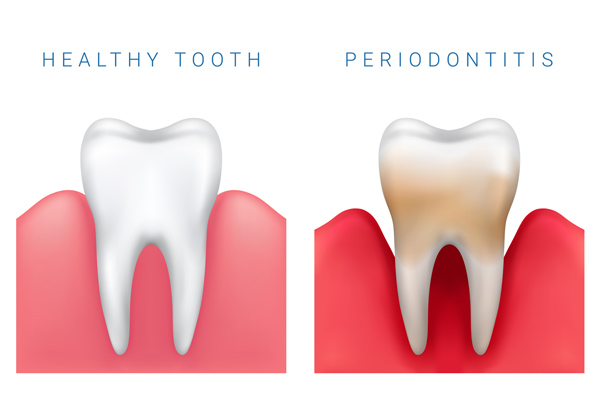 Let's talk frankly about smoking and how it affects your gums, especially if you already have gum disease. It's a serious issue that can lead to some pretty nasty consequences. Think of your mouth as a garden; healthy gums are the fertile soil that keeps your teeth firmly planted. Smoking throws a whole bunch of weeds into that garden and makes it really hard to keep things healthy. Let's talk frankly about smoking and how it affects your gums, especially if you already have gum disease. It's a serious issue that can lead to some pretty nasty consequences. Think of your mouth as a garden; healthy gums are the fertile soil that keeps your teeth firmly planted. Smoking throws a whole bunch of weeds into that garden and makes it really hard to keep things healthy.
# Smoking's Sneaky Attack on Your Gums
Smoking isn't just bad for your lungs; it's terrible for your mouth. It weakens your immune system, making it harder for your body to fight off infections. Gum disease, also known as periodontal disease, is essentially a bacterial infection of the gums and bone that support your teeth. When you smoke, your body's ability to combat this infection is significantly reduced.
One of the first things smoking does is constrict blood vessels. This includes the tiny blood vessels in your gums. Healthy gums need a good blood supply to receive nutrients and oxygen, and to fight off infection. When blood flow is restricted, your gums become weaker and more susceptible to disease. It's like trying to water a plant with a kink in the hose – it just doesn't get enough.
# Gum Disease Gets Worse, Faster
If you already have gum disease, smoking makes it progress much faster. The reduced blood flow and weakened immune system create the perfect environment for bacteria to thrive. This leads to deeper pockets forming around your teeth, more bone loss, and ultimately, a higher risk of tooth loss.
What's worse, smoking can mask the symptoms of gum disease. One of the early warning signs of gum disease is bleeding gums. But because smoking reduces blood flow, your gums may not bleed as much, even if the disease is progressing rapidly. This can give you a false sense of security, leading you to delay seeking treatment until the problem is much more severe.
# Treatment Becomes More Challenging
Treating gum disease in smokers is also more challenging. The same factors that make smokers more susceptible to gum disease – reduced blood flow and a weakened immune system – also make it harder for their gums to heal after treatment. This means that treatments that might be effective for non-smokers may not work as well for smokers. Sometimes, more aggressive or frequent treatments are needed to try and control the disease.
# Oral Care and Smoking: A Tough Combination
Maintaining good oral care habits is crucial for everyone, but it's especially important for smokers. Brushing twice a day, flossing daily, and using an antiseptic mouthwash can help remove plaque and bacteria from your mouth. However, even with excellent oral care, smoking can still significantly increase your risk of gum disease.
# The Best Defense: Prevention Dentistry and Quitting
The best way to protect your gums is to quit smoking. It's not easy, but it's the single most important thing you can do for your oral health and your overall health. Talk to your doctor or dentist about resources and support that can help you quit.
Regular check-ups and cleanings are also essential. A dental professional can detect early signs of gum disease and provide treatment to prevent it from progressing. Prevention dentistry, including regular cleanings and examinations, are vital in maintaining oral health, particularly for those who smoke or have a history of smoking. Early intervention is key to managing gum disease and preserving your teeth. Remember, a healthy mouth is a happy mouth, and quitting smoking is a huge step towards achieving that.
|
|





 (513) 445-4282