How Reshaping Your Gums Really Works
Posted on 11/2/2026 by Martin Periodontics |
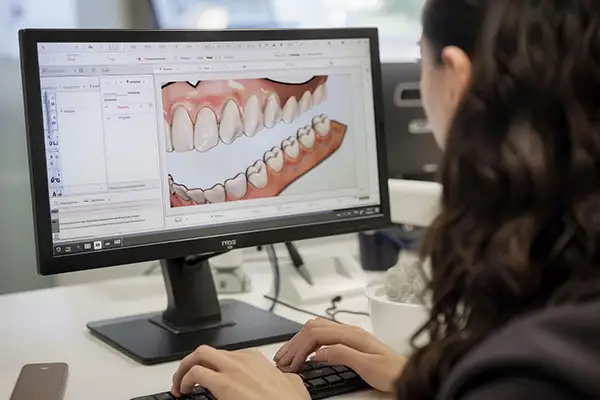 Have you ever looked in the mirror and felt like your smile wasn't quite right because of your gums? Maybe they cover too much of your teeth, or perhaps they're uneven. The good news is there's a solution called gum reshaping, and it can make a big difference in how you feel about your smile. Let's dive into what it is and how it works.
What is Gum Reshaping?
Gum reshaping, also known as gingival contouring or gum recontouring, is a procedure that changes the shape of your gum line. Think of it as a cosmetic enhancement for your gums. It's not just about looks, though. Sometimes, gum reshaping is necessary for health reasons. For example, if you have gum disease that has caused uneven gum lines or pockets, reshaping can help restore the area and make it easier to keep clean.
Why Consider Gum Reshaping?
There are several reasons why someone might consider gum reshaping. A common one is to improve the appearance of a "gummy smile," where too much gum tissue shows when you smile. On the other hand, some people may have receding gums, exposing too much of the tooth. Gum reshaping can help even out the gum line and create a more balanced, aesthetically pleasing smile.
Beyond aesthetics, gum reshaping can be part of a larger plan for better oral care. By removing excess gum tissue or smoothing uneven areas, it becomes easier to brush and floss effectively. This can reduce the risk of inflammation and gum disease in the future. Also, gum reshaping can be a step in restoration dentistry if gums are uneven and preventing proper placement of a crown, bridge, or veneer.
How Does the Procedure Work?
The process typically starts with a thorough examination of your gums and teeth. Your dental professional will assess the amount of gum tissue that needs to be removed or reshaped, and they'll discuss the best approach for your specific situation.
In many cases, gum reshaping is performed using a soft tissue laser. Lasers are precise, and they can seal the tissue as they cut, which means less bleeding, swelling, and discomfort. It can also reduce the risk of infection. Other times, the procedure is done using traditional surgical tools.
Before the procedure, you'll receive a local anesthetic to numb the area, so you won't feel any pain. The dental professional will then carefully remove or reshape the excess gum tissue according to the treatment plan. The entire procedure usually takes between 30 minutes to an hour, depending on the extent of the reshaping needed.
What to Expect After Gum Reshaping
After the procedure, you might experience some mild soreness or sensitivity. This can usually be managed with over-the-counter pain relievers. Your dental professional may also recommend a special mouthwash to help keep the area clean and prevent infection.
It's important to follow your dental professional's instructions carefully to ensure proper healing. This might include eating soft foods for a few days and avoiding strenuous activities that could irritate the gums.
The healing process typically takes a few days to a couple of weeks. During this time, the gums will gradually heal and the final results of the reshaping will become apparent. Most people are very happy with the outcome, as it can significantly improve the appearance of their smile and contribute to better oral hygiene.
|
|





 (513) 445-4282