Gum Surgery After Braces
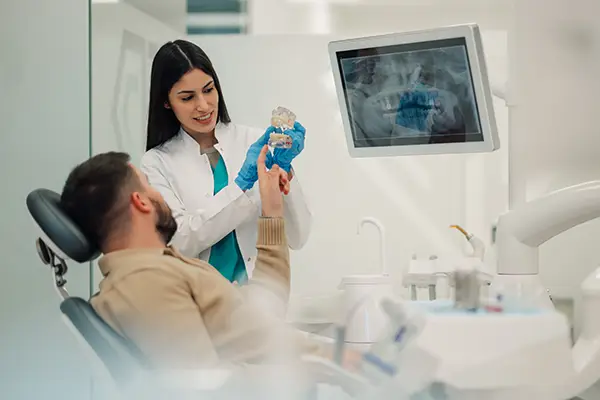 Gum surgery after braces may be necessary when orthodontic treatment reveals or contributes to gum-related concerns, such as uneven gum tissue, excessive gum coverage, gum recession, or inflammation. Although braces help straighten teeth and improve bite alignment, they do not always address the appearance or health of the surrounding gum tissue. In some cases, gum surgery after orthodontic treatment can help create a healthier gumline, improve the appearance of the smile, and protect the supporting structures around the teeth.
Not everyone needs gum surgery after braces. The appropriate treatment depends on the condition of your gums, the amount of gum tissue present, and whether there are underlying periodontal concerns. At Martin Periodontics, our dental team can help evaluate gum health and determine whether periodontal treatment may be beneficial after orthodontic care.
Why Might You Need Gum Surgery After Braces?
Braces gradually move teeth into their intended positions by applying controlled pressure to the surrounding bone and supporting tissues. During this process, changes in tooth position can make certain gum concerns more noticeable.
Some patients notice that their gums look uneven after their braces are removed, while others experience inflammation, recession, or excess gum tissue. These conditions may have existed before orthodontic treatment but become more apparent once the teeth are straight.
Common reasons for considering gum surgery after braces include:
| • |
Excessive Gum Tissue - Some patients develop enlarged or overgrown gums that cover portions of the teeth, making them appear shorter.
|
| • |
Uneven Gumline - Teeth may have different amounts of visible gum tissue, creating an asymmetrical smile.
|
| • |
Gum Recession - Gum tissue may pull away from the teeth, exposing portions of the tooth roots and increasing sensitivity.
|
| • |
Persistent Gum Inflammation - Plaque buildup around braces can contribute to swollen, red, or irritated gums.
|
| • |
Periodontal Disease - Existing or developing gum disease may require professional periodontal treatment to protect the teeth and supporting bone. |
Identifying the underlying cause is important because not every gum concern requires surgery. Some conditions improve with professional dental cleaning, improved oral hygiene, or nonsurgical periodontal treatment.
Common Types of Gum Surgery After Braces
The type of gum treatment recommended after orthodontic treatment depends on the patient's specific condition. Some procedures focus on reshaping excess tissue, while others address gum recession or periodontal disease.
Gingivectomy
A gingivectomy removes excess gum tissue to expose more of the natural tooth surface. This procedure may be recommended when enlarged or overgrown gums cover too much of the teeth.
After braces, some patients notice that their teeth appear short or uneven because excessive gum tissue remains around certain teeth. A gingivectomy can help create a more balanced gumline by removing the extra tissue.
The procedure may also be used in certain periodontal cases to eliminate diseased gum pockets, depending on the patient's condition.
Gingivoplasty
Gingivoplasty reshapes the gum tissue to improve its contour and appearance. Unlike a gingivectomy, which primarily removes excess tissue, gingivoplasty focuses on creating a more natural-looking gumline.
This procedure may be considered when the gums appear uneven after braces or when minor irregularities affect the overall appearance of the smile.
Crown Lengthening
Crown lengthening involves removing or reshaping gum tissue and, in some cases, underlying bone to expose more of the natural tooth structure.
It may be recommended when excessive gum coverage makes teeth appear unusually short or when additional tooth structure needs to be exposed for restorative treatment.
Crown lengthening is more involved than simple gum reshaping because it may require changes to the supporting bone.
Gum Grafting
Gum grafting is a procedure used to address gum recession by adding tissue to areas where the gums have pulled away from the teeth.
Patients who experience recession after orthodontic treatment may benefit from a periodontal evaluation to determine whether grafting is appropriate.
Gum grafting can help cover exposed roots, reduce sensitivity, and improve the thickness of the gum tissue. It may also help protect vulnerable tooth surfaces from further recession.
Can Braces Cause Gum Recession?
Braces do not automatically cause gum recession, but orthodontic tooth movement can sometimes contribute to changes in the surrounding gum tissue.
When teeth move outside the natural boundaries of their supporting bone, certain areas may become more vulnerable to recession. Patients with thin gum tissue, existing periodontal problems, or inadequate bone support may have a higher risk.
Other factors that can contribute to gum recession during or after orthodontic treatment include:
| • |
Poor Oral Hygiene - Plaque buildup can cause gum inflammation and contribute to periodontal problems.
|
| • |
Thin Gum Tissue - Naturally thin gums may be more susceptible to recession during orthodontic tooth movement.
|
| • |
Excessive Brushing Pressure - Aggressive brushing can contribute to gum tissue damage and recession.
|
| • |
Preexisting Gum Disease - Periodontal inflammation can weaken the tissues supporting the teeth.
|
| • |
Tooth Position - Moving teeth beyond the boundaries of their supporting bone may increase the risk of gum recession in certain areas. |
If you notice that your gums are pulling away from your teeth after braces, a dental examination can help determine whether the changes are related to orthodontic movement, periodontal disease, or another underlying condition.
Why Do Gums Sometimes Look Uneven After Braces?
An uneven gumline is a common cosmetic concern that some patients notice after their braces are removed. Even when teeth are properly aligned, differences in gum height can affect the overall appearance of a smile.
Several factors may contribute to an uneven gumline.
Gum overgrowth can occur when gum tissue becomes enlarged and covers more of the teeth than expected. This may be associated with plaque accumulation, inflammation, certain medications, or individual tissue characteristics.
Differences in tooth eruption can also affect gum symmetry. Teeth do not always emerge at exactly the same rate or position, which can create variations in the amount of visible tooth structure.
Natural gum anatomy is another consideration. Some people naturally have uneven gum contours, even when their teeth are healthy and properly aligned.
In appropriate cases, cosmetic gum reshaping can improve symmetry and create a more balanced smile. However, treatment should only be considered after confirming that the teeth and periodontal tissues are healthy.
How Long After Braces Can You Get Gum Surgery?
The timing of gum surgery after braces depends on the type of procedure needed and the condition of the surrounding tissues.
For cosmetic gum reshaping, dental professionals often recommend allowing the gums to recover from orthodontic treatment and any inflammation to resolve before making permanent changes to the gumline.
Some patients may be candidates for treatment shortly after braces are removed, while others may need to wait several weeks or longer.
For procedures involving gum grafting or periodontal disease, timing depends on the severity of the condition and the overall health of the supporting tissues.
Before recommending surgery, the dental team may evaluate:
| • |
Gum Health - The gums should be evaluated for swelling, bleeding, infection, and signs of periodontal disease.
|
| • |
Tooth Position - Teeth should be in an appropriate position before permanent gumline changes are made.
|
| • |
Orthodontic Stability - The dental team may assess whether tooth movement has stabilized following braces.
|
| • |
Bone Support - Imaging and periodontal measurements may be necessary to evaluate the structures supporting the teeth.
|
| • |
Healing Needs - The recommended waiting period depends on the specific procedure and individual recovery. |
The best timing is determined through an individualized evaluation rather than a fixed schedule for every patient.
What Is the Recovery Like After Gum Surgery?
Recovery after gum surgery depends on the procedure performed, the amount of tissue treated, and the patient's overall oral health.
Minor gum reshaping procedures may involve relatively short recovery periods, while gum grafting and more extensive periodontal surgery generally require additional healing time.
Common experiences during recovery include mild swelling, tenderness, sensitivity, and temporary changes in the appearance of the gums.
To support healing, patients are generally advised to:
| • |
Follow Postoperative Instructions - Follow the dental team's recommendations regarding oral hygiene, medications, and activity restrictions.
|
| • |
Choose Soft Foods - Eat foods that are easy to chew and avoid irritating the treated areas.
|
| • |
Avoid Direct Brushing of Surgical Areas - Follow instructions about when and how to clean the treated gum tissue.
|
| • |
Avoid Smoking - Smoking can interfere with healing and increase the risk of complications.
|
| • |
Attend Follow-Up Visits - Dental checkups allow the team to monitor healing and identify potential concerns.
|
| • |
Avoid Irritating Foods - Stay away from very hot, spicy, crunchy, or hard foods while the surgical area heals. |
Patients should contact their dental provider if they experience worsening pain, increasing swelling, persistent bleeding, fever, or signs of infection.
Can You Avoid Gum Surgery After Braces?
Not every patient who experiences gum changes after braces needs surgery. In many cases, nonsurgical treatments can address the underlying problem.
If gum inflammation is caused by plaque buildup, professional dental cleaning and improved daily oral hygiene may help reduce swelling and irritation.
For patients with mild cosmetic concerns, the gumline may become more balanced as inflammation resolves and the tissues recover after orthodontic treatment.
Depending on the underlying condition, alternatives to surgery may include:
| • |
Professional Dental Cleaning - Removes plaque and tartar that contribute to gum inflammation.
|
| • |
Improved Oral Hygiene - Consistent brushing and flossing help maintain healthy gum tissue.
|
| • |
Scaling and Root Planing - A nonsurgical periodontal procedure that removes plaque and tartar from below the gumline.
|
| • |
Orthodontic Evaluation - Additional assessment may help determine whether tooth positioning contributes to gum concerns.
|
| • |
Periodontal Monitoring - Regular measurements and examinations help identify changes in gum health over time. |
Surgery is generally considered when conservative treatment is insufficient or when a specific structural or cosmetic concern requires surgical correction.
Does Gum Surgery After Braces Hurt?
Gum surgery is generally performed using local anesthesia to keep patients comfortable during the procedure. You may feel pressure or movement, but the treated area should be numb.
After the anesthesia wears off, some tenderness, swelling, or sensitivity is normal. The amount of discomfort depends on the procedure and the extent of treatment.
Minor gum contouring typically involves less recovery discomfort than procedures such as gum grafting or bone-related periodontal surgery.
Your dental team can provide appropriate aftercare instructions and recommend pain management options based on your medical history and treatment needs.
How Much Does Gum Surgery After Braces Cost?
The cost of gum surgery after braces depends on the procedure, the number of teeth involved, the severity of the gum condition, and the complexity of treatment.
Typical estimated costs in the United States include:
| • |
Gingivectomy - Approximately $200 to $500 per tooth, although pricing varies by treatment area and complexity.
|
| • |
Gingivoplasty - Approximately $50 to $350 per tooth for certain cosmetic reshaping procedures.
|
| • |
Crown Lengthening - Approximately $1,000 to $3,000 per tooth, depending on whether bone removal is necessary.
|
| • |
Gum Grafting - Approximately $600 to $3,000 per treatment area, depending on the technique and amount of tissue required.
|
| • |
Periodontal Surgery - Costs vary based on the number of areas treated and the type of surgical procedure. |
These figures are general estimates and may not include examinations, imaging, anesthesia, or additional periodontal treatment.
Dental insurance may cover certain procedures when they are medically necessary to treat periodontal disease or protect oral health. Cosmetic gum reshaping is less likely to qualify for coverage. Patients should review their individual insurance benefits before treatment.
Maintaining Healthy Gums After Orthodontic Treatment
Once your braces are removed, maintaining healthy gums is essential for protecting your newly aligned smile. Orthodontic treatment can make cleaning more challenging, particularly around brackets and wires, so some patients need additional attention to remove plaque buildup.
A consistent oral hygiene routine helps reduce the risk of inflammation, gum disease, and future periodontal complications.
Important habits include brushing twice daily with a soft-bristled toothbrush, flossing every day, and attending regular dental cleanings and examinations.
Patients should also wear their retainers as directed by their orthodontic provider. Although retainers do not directly prevent gum disease, they help maintain tooth alignment after braces and support the long-term stability of orthodontic results.
If you notice persistent bleeding, gum swelling, recession, or changes in gum appearance, a professional evaluation can help identify the cause and determine whether treatment is necessary.
Gum Health and Periodontal Care at Martin Periodontics
Healthy gums are an important part of a beautiful, functional smile. Even after braces have successfully aligned your teeth, changes in gum tissue may affect your oral health and the appearance of your smile.
At Martin Periodontics, our dental team understands the importance of evaluating both the teeth and surrounding periodontal structures. Whether you are experiencing gum recession, uneven gum tissue, inflammation, or concerns about excess gum coverage, an appropriate evaluation can help determine the most suitable treatment.
We consider your gum health, tooth positioning, bone support, and individual treatment needs when evaluating potential periodontal procedures. Our goal is to help patients maintain healthy gum tissue and long-lasting orthodontic results.
FAQs
Is gum surgery common after braces?
Gum surgery is not necessary for everyone after braces. However, some patients may need treatment for excessive gum tissue, uneven gumlines, recession, or periodontal disease. The appropriate treatment depends on the condition of the gums and the patient's individual oral health needs.
Why do my gums look bigger after getting braces off?
Gums may look larger after braces because of inflammation, plaque accumulation, or gingival overgrowth. Some patients also notice previously hidden gumline irregularities once their teeth are straight. A dental examination can determine whether the appearance is temporary or requires treatment.
Can gum recession from braces be reversed?
Gum tissue that has receded generally does not grow back naturally. However, gum grafting may help restore coverage over exposed tooth roots and improve tissue thickness. Treatment depends on the amount of recession and the health of the surrounding tissues.
How soon after braces can I get a gingivectomy?
The timing depends on gum health, inflammation, and orthodontic stability. Some patients may qualify for a gingivectomy shortly after braces are removed, while others may need to wait for the gum tissue to recover. A dental evaluation helps determine the appropriate timing.
Will gum surgery make my teeth look bigger after braces?
Yes, gum reshaping procedures such as gingivectomy can expose more of the natural tooth surface, making teeth appear longer or more proportionate. This may improve smile symmetry when excessive gum tissue is responsible for the appearance of short teeth.
How long does it take for gums to heal after surgery?
Healing time varies depending on the procedure. Minor gum reshaping may heal within a few weeks, while gum grafting and more extensive periodontal surgery may require several weeks to a few months for complete healing and tissue maturation.
Can swollen gums after braces go away without surgery?
Yes. If gum swelling is caused by plaque accumulation or mild inflammation, professional cleaning and improved oral hygiene may help the gums return to a healthier condition. Persistent gum enlargement should be evaluated to determine whether additional treatment is necessary.
Does insurance cover gum surgery after braces?
Dental insurance may cover gum surgery when it is medically necessary to treat periodontal disease or protect oral health. Cosmetic procedures, such as elective gum reshaping, are less likely to be covered. Benefits vary by insurance provider and individual policy.
Can I get gum surgery while wearing a retainer?
In many cases, gum surgery can be performed after braces while a patient is wearing a retainer. However, the retainer may need temporary adjustments to avoid irritating the surgical area. Your dental team can coordinate treatment and retainer use to support proper healing. |