How Much Do Dental Implants Cost?
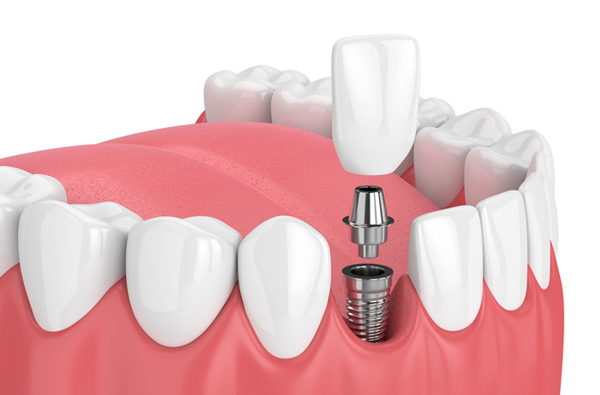 The cost of dental implants typically ranges from $3,000 to $6,000 per tooth in the United States, including the implant post, abutment, and dental crown. However, the total cost can vary depending on your oral health, the complexity of the procedure, the materials used, and whether additional treatments are needed. Understanding dental implant costs can help you make an informed decision about restoring your smile and protecting your long-term oral health.
At Martin Periodontics, we believe patients should understand the factors that influence the cost of dental implants before beginning treatment. From a single tooth replacement to full-mouth restoration, several options are available to accommodate different dental needs and budgets.
Average Cost of Dental Implants
The average cost of dental implants depends largely on how many teeth need replacement and the type of restoration required. A single dental implant generally costs between $3,000 and $6,000, while more extensive procedures can cost significantly more.
Here is a general breakdown of typical dental implant costs in the United States:
| • |
Single Dental Implant - Approximately $3,000 to $6,000 per tooth, including the implant post, abutment, and crown.
|
| • |
Implant-Supported Bridge - Approximately $5,000 to $15,000, depending on the number of missing teeth and implants required.
|
| • |
Implant-Supported Dentures - Approximately $6,000 to $15,000 or more per arch, depending on the number of implants and type of denture.
|
| • |
Full-Mouth Dental Implants - Approximately $20,000 to $50,000 or more for both arches, depending on the restoration system and treatment complexity. |
These figures are general estimates rather than guaranteed treatment prices. Your actual cost will depend on your individual treatment plan, diagnostic needs, and the materials selected.
What Is Included in the Cost of a Dental Implant?
A dental implant is a multi-part restoration designed to replace a missing tooth from the root to the visible crown. Understanding each component can help explain why dental implants may cost more initially than other tooth replacement options.
The total cost of a dental implant may include:
| • |
Implant Post - A small titanium or zirconia post surgically placed in the jawbone to serve as an artificial tooth root.
|
| • |
Abutment - A connector that attaches the implant post to the dental crown or other restoration.
|
| • |
Dental Crown - A custom-made replacement tooth designed to match the appearance and function of your natural teeth.
|
| • |
Imaging and Consultation - Dental examinations, X-rays, and 3D imaging may be necessary to evaluate bone structure and plan treatment.
|
| • |
Surgical Placement - The procedure performed to position the implant securely within the jawbone.
|
| • |
Follow-Up Appointments - Postoperative evaluations help monitor healing and ensure the implant is integrating properly with the surrounding bone. |
Some dental offices include these components in one comprehensive treatment estimate, while others itemize them separately. It is important to understand exactly what your quoted price covers.
Factors That Affect the Cost of Dental Implants
Several factors influence how much you will pay for dental implant treatment. Because every patient's dental needs are different, the cost of treatment can vary considerably.
1. Number of Dental Implants Needed
The number of implants required is one of the biggest factors affecting overall treatment costs. Replacing a single missing tooth generally requires one implant and one crown. However, replacing several missing teeth may require multiple implants or an implant-supported bridge.
Patients missing most or all of their teeth may benefit from full-arch implant restorations, which involve a more extensive treatment plan.
2. Bone Grafting Requirements
Healthy jawbone tissue is necessary to support dental implants. If you have experienced bone loss due to missing teeth, periodontal disease, or other conditions, you may need a bone graft before implant placement.
Bone grafting adds to the overall cost because it involves additional materials, surgical procedures, and healing time. The amount of grafting needed depends on the condition of your jawbone.
3. Tooth Extractions
If a damaged or severely decayed tooth needs to be removed before implant placement, the extraction may increase your total treatment cost. Some patients qualify for immediate implant placement following extraction, while others need additional healing time.
4. Implant Materials
Dental implants are commonly made from titanium or zirconia. Both materials offer durability and biocompatibility, but their costs and clinical applications can differ.
The type of implant, crown material, and restoration design selected can influence the final price.
5. Complexity of the Procedure
Certain cases require more advanced planning or surgical techniques. Patients with significant bone loss, complex bite concerns, or anatomical limitations may need additional procedures or specialized care.
These considerations can increase treatment time and overall expenses.
Does Dental Insurance Cover Dental Implants?
Dental insurance coverage for implants varies depending on your insurance provider and individual policy. Some plans offer partial coverage for certain components of implant treatment, while others classify implants as elective or exclude them entirely.
Even when the implant procedure itself is not covered, your policy may provide benefits for related services, such as tooth extractions, diagnostic imaging, or the final dental crown.
Before beginning treatment, it is helpful to understand:
| • |
Annual Maximums - The maximum amount your insurance company will pay toward covered dental services each year.
|
| • |
Coverage Percentages - The portion of eligible treatment expenses your plan will cover.
|
| • |
Waiting Periods - Some policies require a waiting period before certain restorative procedures qualify for benefits.
|
| • |
Missing Tooth Clauses - Certain plans limit coverage for teeth that were already missing before the policy began.
|
| • |
Alternative Treatment Benefits - Some plans may provide benefits based on the cost of a bridge or denture rather than the full cost of an implant restoration. |
Your dental team can help you understand your treatment estimate and determine which services may qualify for insurance benefits.
Are Dental Implants Worth the Cost?
Although dental implants often have a higher initial cost than dentures or traditional bridges, they offer several long-term advantages that make them an appealing tooth replacement option.
Dental implants are designed to function like natural teeth by providing stable support for chewing, speaking, and everyday activities. Unlike traditional bridges, implants do not require neighboring teeth to be reshaped for support.
Additional benefits include:
| • |
Long-Term Durability - With proper care, dental implants can last for many years, and the implant posts may last a lifetime.
|
| • |
Jawbone Preservation - Implants stimulate the surrounding jawbone, helping reduce the bone deterioration that commonly follows tooth loss.
|
| • |
Natural Appearance - Custom restorations are designed to blend with your existing teeth.
|
| • |
Improved Stability - Implants remain securely anchored in the jawbone, reducing the movement associated with removable dentures.
|
| • |
Better Chewing Function - Implant-supported restorations help restore comfortable biting and chewing.
|
| • |
Protection for Neighboring Teeth - Single-tooth implants do not require the adjacent teeth to be altered for support, unlike traditional dental bridges. |
The long-term value of dental implants depends on your oral health, treatment needs, and commitment to proper maintenance. While the initial investment may be higher, their durability and functional benefits can make them a worthwhile restorative solution.
Ways to Make Dental Implants More Affordable
The cost of dental implants can feel overwhelming, especially when multiple teeth need replacement. Fortunately, several payment and financing options may help make treatment more manageable.
| • |
Dental Financing Plans - Third-party healthcare financing programs may allow patients to divide treatment expenses into monthly payments.
|
| • |
In-House Payment Plans - Some dental practices offer payment arrangements that spread treatment costs over an agreed period.
|
| • |
Dental Savings Plans - Certain membership programs provide discounts on eligible dental procedures.
|
| • |
Flexible Spending Accounts (FSAs) - Eligible dental implant expenses may be paid using pretax funds from an FSA.
|
| • |
Health Savings Accounts (HSAs) - Qualified dental implant expenses can generally be paid using HSA funds.
|
| • |
Phased Treatment Planning - When clinically appropriate, certain treatment steps may be scheduled over time to help distribute expenses. |
Discussing payment arrangements and available benefits before treatment can help you better understand the financial commitment involved.
How Long Do Dental Implants Last?
Dental implants are designed to provide a long-lasting solution for missing teeth. With proper placement, good oral hygiene, and routine dental visits, implant posts can last a lifetime. The crowns and other restorative components may need replacement over time due to normal wear.
Several factors affect dental implant longevity, including smoking, gum disease, teeth grinding, overall health, and daily oral hygiene habits.
To protect your investment, it is important to brush twice daily, floss around your implants, attend regular dental checkups, and follow your dentist's recommendations for professional maintenance.
Although dental implants have an impressive track record, they are not maintenance-free. Consistent care helps reduce the risk of peri-implantitis, an inflammatory condition that can damage the tissues and bone supporting an implant.
Why Choose Martin Periodontics for Dental Implants?
Choosing the right dental team is an important part of successful implant treatment. Dental implants require careful evaluation, precise planning, and appropriate restorative care to achieve comfortable and natural-looking results.
At Martin Periodontics, our dental team focuses on understanding each patient's oral health needs and developing treatment recommendations based on their individual circumstances.
We consider important factors such as jawbone health, the number of missing teeth, bite alignment, and long-term restorative goals when evaluating dental implant options.
Our goal is to provide clear information about available treatments, expected costs, and the steps involved so patients can make informed decisions about restoring their smiles.
FAQs
How much does one dental implant cost?
A single dental implant typically costs between $3,000 and $6,000 in the United States. This estimate generally includes the implant post, abutment, and dental crown. Additional procedures, such as bone grafting or tooth extraction, may increase the total cost.
Why are dental implants so expensive?
Dental implants involve several components and procedures, including diagnostic imaging, surgical placement, the implant post, an abutment, and a custom dental crown. The materials, technology, expertise, and additional treatments required contribute to the overall expense.
Does dental insurance pay for implants?
Some dental insurance plans provide partial coverage for dental implants or related procedures, while others exclude implant treatment. Coverage depends on your individual policy, annual maximum, waiting periods, and specific benefits. Review your plan before beginning treatment.
How much do full-mouth dental implants cost?
Full-mouth dental implants can cost approximately $20,000 to $50,000 or more for both arches. The final price depends on the number of implants, restoration type, materials, bone grafting requirements, and complexity of treatment.
Are dental implants cheaper than dentures?
Traditional dentures generally have a lower initial cost than dental implants. However, dentures may require adjustments, relining, or replacement over time. Dental implants typically involve a higher upfront investment but offer greater stability and help preserve jawbone structure.
How long does the dental implant process take?
The dental implant process commonly takes several months from initial evaluation to final restoration. Healing and osseointegration, the process in which the implant bonds with the jawbone, often take three to six months. Additional procedures, such as bone grafting, may extend the timeline.
Can I get dental implants if I have bone loss?
Yes, many patients with jawbone loss can still qualify for dental implants. Bone grafting or other preparatory procedures may help create sufficient support for implant placement. A dental evaluation and appropriate imaging are necessary to determine the best treatment approach.
Are dental implants worth the investment?
Dental implants can be a worthwhile long-term investment because they restore chewing function, provide a natural appearance, help preserve jawbone structure, and offer excellent durability. Their overall value depends on individual oral health needs, treatment costs, and long-term maintenance. |